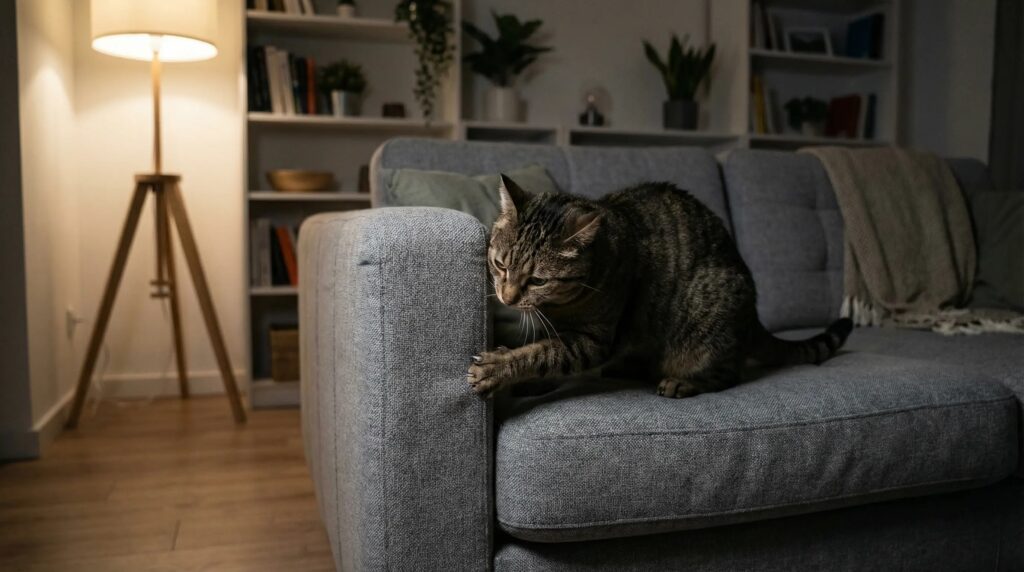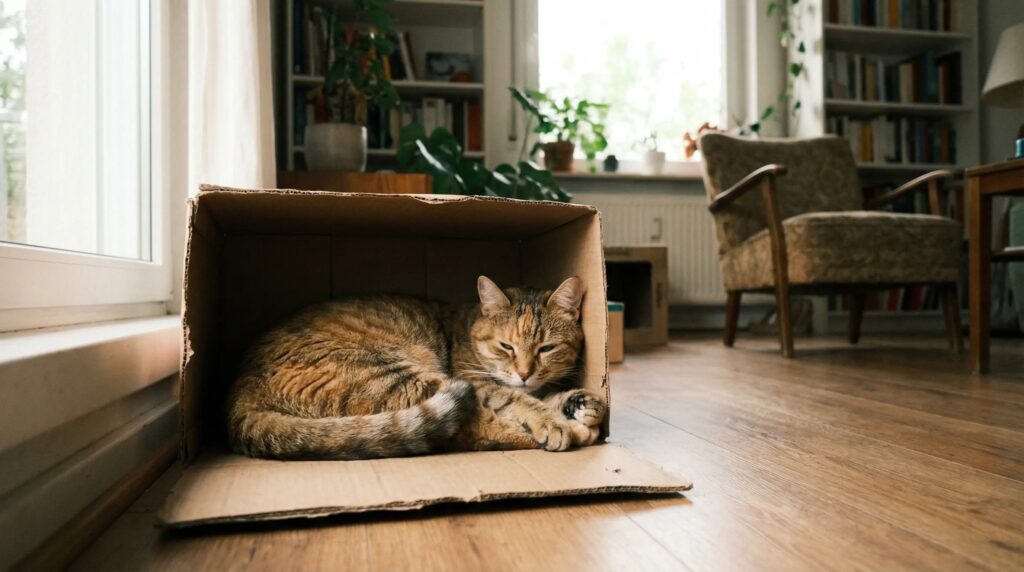

Cat purring is one of the most familiar sounds in a home, but it does not always mean exactly the same thing. Cats purr when they feel comfortable, yet they may also purr when they are nervous, in pain, or trying to communicate a need. The key is to read the purr together with your cat’s body language, behavior, and situation.
Why do cats purr?
Purring is produced by rhythmic signals from the muscles around the larynx as a cat breathes in and out. Kittens can purr when nursing, which helps them stay connected with their mother. Adult cats use the sound in many different situations, from greeting a trusted person to calming themselves during a stressful moment.
Scientists still study the exact mechanics and purpose of purring, but we know it is both a social signal and a useful self-regulating behavior. The same cat may use a soft, steady purr while relaxed and a more urgent purr when asking for food or reassurance.
1. Your cat feels safe and relaxed
The most common reason for purring is contentment. A relaxed cat may purr while curled up on a blanket, resting beside you, or enjoying gentle petting. Look for soft eyes, a loose body, slow blinks, and an upright or gently swishing tail. When these signals appear together, the purr usually means your cat is comfortable.
Many cats purr during quiet routines such as settling down after dinner, stretching in a sunny window, or greeting you in the morning. These predictable moments help cats feel secure. If your cat chooses to purr near you, allow the interaction to stay calm rather than turning it into intense handling.
2. Your cat is bonding with you
Some cats purr when they greet their favorite person or settle close by. This can be a social signal that says, “I feel good being near you.” Respond with calm attention, a soft voice, and the choice to move away. Respecting your cat’s boundaries helps build trust.
You can strengthen this positive association with slow blinking, gentle cheek or chin scratches, and short play sessions. Every cat has a different preference: one may enjoy a lap, another may prefer sitting beside you, and a third may show affection by following you from room to room.
3. Your cat wants something
Cats often purr when they want food, play, a door opened, or more attention. A demanding purr may sound slightly higher or more urgent and may be paired with following you, staring, pawing, or walking toward a bowl. Check the context before assuming the sound is purely emotional.
If the purring happens at the same time every day, look for a routine trigger. Your cat may have learned that purring near the kitchen brings a meal or that purring beside your desk earns attention. Meet reasonable needs, but keep feeding and play schedules predictable so your cat does not need to become increasingly persistent.
4. Your cat is anxious or self-soothing
Purring can also help a cat regulate stress. A cat may purr at the veterinary clinic, during travel, or while hiding. If the body is tense, the ears are flattened, the pupils are wide, or the cat is avoiding contact, give space and reduce stimulation. The purr does not necessarily mean the cat is happy.
Offer a quiet hiding place, familiar bedding, and a slow predictable routine. Do not pull a frightened cat from its hiding spot. Instead, sit nearby without staring and let the cat decide when to come out. If stressful purring is frequent, discuss environmental changes with your veterinarian or a qualified behavior professional.
5. Your cat may be uncomfortable
Some cats purr when they are injured or unwell. Watch for changes such as hiding, reduced appetite, vomiting, limping, unusual breathing, low energy, or a sudden change in vocalization. Purring alone cannot diagnose a problem, but a new or persistent purr combined with other symptoms deserves a call to your veterinarian.
Cats are experts at hiding discomfort, so small changes matter. Notice whether your cat is jumping less, grooming a particular area, using the litter box differently, or sleeping in unusual positions. Never give human pain medication. If your cat seems distressed, has trouble breathing, collapses, or cannot urinate, seek urgent veterinary help.
Different types of purrs
A low, soft purr during rest is often associated with relaxation. A louder or higher-pitched purr can be a request for food or interaction. Some cats combine purring with meowing, especially when greeting people. The meaning is personal, so compare the sound with your cat’s normal patterns rather than judging it by volume alone.
How to tell what your cat’s purr means
- Notice where your cat is and what happened just before the purring started.
- Read the whole body: eyes, ears, whiskers, posture, tail, and movement.
- Compare the sound with your cat’s normal purr.
- Check basic needs such as food, water, a clean litter box, play, and a comfortable temperature.
- Give your cat a choice to approach or leave.
- Contact a veterinarian if the purr comes with pain, distress, or other health changes.
How should you respond?
Start by matching your cat’s emotional state. For a relaxed purr, offer gentle contact or simply share the space. For an urgent purr, check what your cat is requesting and reinforce calm communication. For an anxious purr, reduce noise and give distance. For a purr paired with illness signs, prioritize veterinary advice over interpretation.
Keeping a short behavior note can help. Write down the time, location, sound, body language, and what happened afterward. Patterns often become clear after a week, and these notes can also help your veterinarian understand a change.
The bottom line
Purring is a flexible form of feline communication, not a simple “happy” switch. Most relaxed purrs are a lovely sign of comfort and connection, but context matters. By watching the sound and the rest of your cat’s behavior together, you can respond in a way that keeps your cat feeling safe.
With patience and observation, learning your cat’s individual purring language becomes one of the simplest ways to improve everyday communication and strengthen your relationship.
Read more: Why does my cat sit next to me but not on my lap? and why your cat sleeps next to you but avoids touching you.